
Q1. When is the best time to book flights and hotels to get the cheapest prices?
For domestic flights, booking 4–8 weeks in advance is generally optimal. International flights usually offer better fares 8–16 weeks before departure. Hotel prices are lowest during off-season and weekdays. Prices increase during festivals, school holidays, and peak tourist months, regardless of booking time.
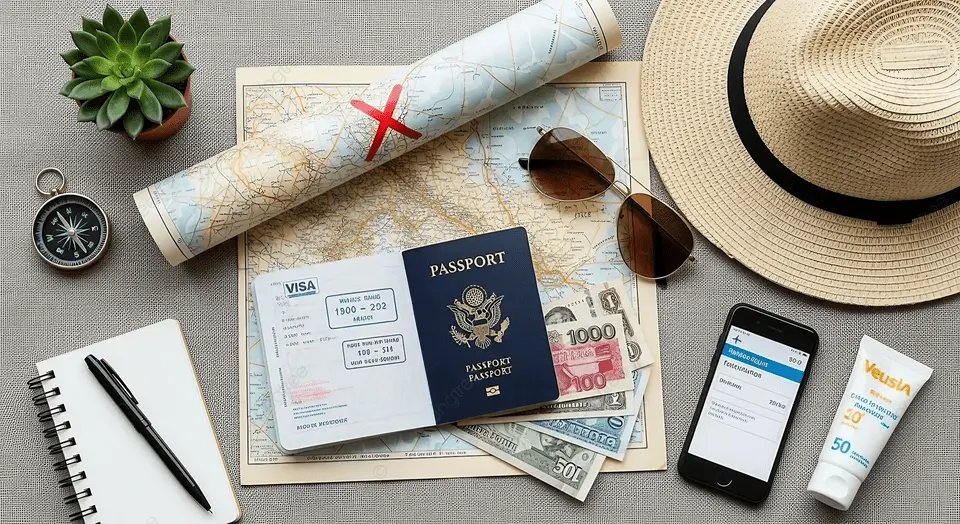
Q2. What essential travel documents should I carry while traveling domestically or internationally?
Domestic travel requires valid government-issued photo identification and confirmed tickets. International travel requires a passport with sufficient validity, visa if applicable, return tickets, accommodation proof, travel insurance, and copies of all documents. Digital backups stored securely are strongly recommended for verification and emergencies.
Q3. How early should I apply for a visa, and what are the common requirements?
Visa applications should be submitted 4–12 weeks before travel. Common requirements include a valid passport, application form, photographs, proof of funds, travel itinerary, accommodation details, and return tickets. Processing time varies by country, visa type, and applicant nationality, so early application is essential.
Q4. Is travel insurance really necessary for trips? What does it usually cover?
Travel insurance is strongly recommended, especially for international travel. Standard coverage includes medical emergencies, hospitalization, trip cancellation, flight delays, lost baggage, and emergency evacuation. Some countries require proof of insurance for entry. Coverage limits, exclusions, and claim procedures should always be reviewed carefully.
Q5. What are the most important things to pack for any trip?
Essential items include valid documents, medications with prescriptions, weather-appropriate clothing, toiletries, chargers, power adapters, and emergency contacts. Carry valuables, documents, and electronics in hand luggage. Avoid overpacking and follow airline baggage weight and size limits to prevent extra charges.
Q6. Should I travel with only hand luggage or check-in baggage?
Hand luggage is suitable for short trips of 2–4 days and avoids baggage fees. Check-in baggage is necessary for longer trips, winter travel, or special equipment. Always check airline baggage policies, weight limits, and restricted items, as excess baggage fees can be significant.
Q7. How early should I reach the airport before my flight?
For domestic flights, arrive at least 2 hours before departure. For international flights, arrive 3 hours in advance. Additional time may be required during peak travel seasons, at large airports, or when traveling with checked baggage, infants, or elderly passengers.
Q8. What items are not allowed in hand luggage during air travel?
Restricted items include sharp objects, flammable materials, tools, and liquids exceeding allowed limits. Liquids must be in containers of up to 100 ml, placed in a transparent, resealable bag. Rules vary by country and airline, so travelers should verify restrictions before packing.
Q9. How can I manage mobile network, internet, and SIM cards while traveling abroad?
Travelers can use international roaming, purchase a local SIM card, or use an eSIM. Local SIMs are usually the most cost-effective. International roaming is convenient but expensive. Ensure your phone is unlocked and supports local network bands before choosing a connectivity option.
Q10. What safety precautions should travelers follow in unfamiliar destinations?
Follow local laws, avoid restricted areas, secure valuables, and use licensed transportation. Keep emergency numbers saved and share travel details with a trusted contact. Avoid displaying expensive items publicly. Stay informed about local conditions and follow official travel advisories when necessary.
Q11. How can I plan a trip on a tight budget without compromising comfort?
Travel during off-season, book in advance, and use fare comparison tools. Choose mid-range accommodations, public transport, and local dining options. Avoid unnecessary add-ons and tourist traps. Budget planning should include fixed expenses, daily limits, and emergency reserves to maintain comfort.
Q12. What special travel tips should be followed when traveling with children or senior citizens?
Plan shorter travel durations, prioritize comfort, and keep medical needs accessible. Carry prescriptions, medical records, and insurance details. Pre-book seats and assistance services when needed. Avoid tight schedules and allow buffer time to reduce physical strain and travel-related stress.
Q13. What is the best way to exchange currency while traveling internationally?
Using international debit cards or forex cards at local ATMs generally offers better exchange rates. Exchange limited cash before departure for immediate expenses. Avoid street exchange agents. Always check transaction fees, ATM limits, and card acceptance in the destination country.
Q14. How do I check the weather and choose the right clothing for my destination?
Check reliable weather forecasts close to departure and understand seasonal climate patterns. Pack layered clothing suitable for temperature variation. Include rain protection or thermal wear when required. Comfortable footwear is essential. Clothing choices should align with local climate, activities, and cultural norms.
Q15. Is it important to learn the local language before traveling to a new place?
Fluency is not required, but knowing basic phrases improves communication. Translation apps are effective alternatives. Understanding local customs and etiquette is more important than language skills. English is widely understood in major tourist areas, hotels, and transport hubs across most countries.
Q16. What should I do if my flight or hotel gets canceled?
Contact the airline or hotel immediately using official channels. Review cancellation policies and alternative options. Keep all booking records and payment proofs. If insured, file a claim with supporting documents. Prompt action improves chances of refunds, rebooking, or compensation.
Q17. Are vaccinations or medical documents required for international travel?
Some countries require specific vaccinations or health certificates for entry. Requirements depend on destination and travel history. Check official health advisories well in advance. Carry vaccination records and medical prescriptions, especially for chronic conditions or controlled medications.
Q18. What are the rules for renting a car or driving in another country?
Rules vary by country. Some require an International Driving Permit along with a valid local license. Age limits, insurance coverage, and traffic laws differ. Always inspect the vehicle, review insurance terms, and understand road rules before driving abroad.
Q19. How much layover time is safe for connecting flights?
Minimum safe layover time is 1.5–2 hours for domestic connections and 2–3 hours for international connections. Larger airports, immigration clearance, terminal changes, and different airlines require additional buffer time to avoid missed connections.
Q20. What is the best way to use public transport and local travel apps while traveling?
Use official public transport apps, digital maps, and verified ride-hailing services. Purchase daily or multi-day travel passes when available. Check operating hours and routes in advance. Public transport is cost-effective, reliable, and often the fastest way to move within cities.